











Water Heater Buying Guide for Ontario Homeowners (2026 Edition)
 Liby Thomas
Published on: Feb 19, 2026
Liby Thomas
Published on: Feb 19, 2026

Hot water is one of those things you don’t think about… until it disappears mid-shower. Then suddenly you’re contemplating life choices.
Whether you're replacing an aging unit or installing one for the first time, choosing the right water heater affects comfort, energy bills, and long-term costs.
This guide walks you through how water heaters work, what size you need, efficiency differences, pricing, and whether renting or buying makes more sense in Ontario.
How Does a Water Heater Work?
At its simplest, a water heater does one job:
It heats cold water and delivers it to your taps when you turn them on.
But there are two fundamentally different ways this happens:
Tank Water Heater (Storage Type)
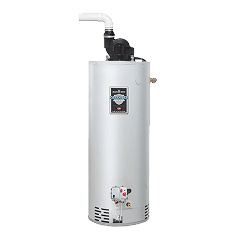
A traditional tank water heater stores heated water in a large insulated tank. The system keeps that water hot throughout the day. When the tank empties, it refills and reheats. This design is simple and reliable, but it can run out of hot water during high-demand periods.
If your system is making strange sounds, you may want to read “Is Your Water Heater Making Noise? Here’s What It Means” for deeper troubleshooting.
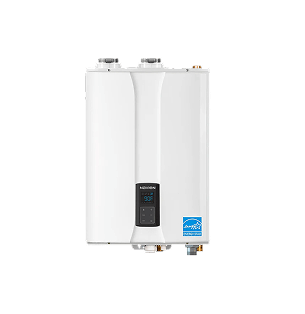
Tankless Water Heater (On-Demand)
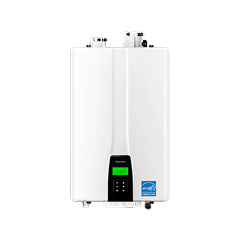
A tankless water heater works differently. It doesn’t store water. Instead, it heats water instantly as it passes through the unit. That means no standby heat loss and, in most cases, continuous hot water.
If you’re wondering whether it truly never runs out, see:
“Can a Tankless Water Heater Run Out of Hot Water?”
Choosing the Right Fuel Source
The type of fuel powering your system affects operating costs and installation requirements.
🔥 Natural Gas Water Heater
Natural gas is the most common option in Ontario homes. It typically costs less to operate than electric models and performs well for larger families.
⚡ Electric Water Heater
Electric water heaters are more affordable upfront and easier to install, but electricity rates can make them more expensive over time.
🌿 Hybrid / Heat Pump Water Heaters
Hybrid or heat pump water heaters are highly efficient because they pull heat from the surrounding air, though they require a higher initial investment.
Your choice often depends on what’s already available in your home and how much hot water your household uses daily.
Tank vs. Tankless: Which One Should You Choose?
| Tank Water Heater | Tankless Water Heater |
| Lower upfront cost | Higher upfront cost |
| Limited hot water | Continuous hot water |
| Shorter lifespan | Longer lifespan |
| Simpler install | Requires venting & upgrades sometimes |
Tank = predictable and affordable
Tankless = long-term efficiency and endless showers
If you want a deep comparison, read:
“Tank vs. Tankless Water Heaters: Which One Saves You More Money?”
What Size Water Heater Do You Need?
Sizing mistakes are one of the most common problems homeowners make. Too small, and you’ll run out of hot water. Too large, and you’ll pay for unused capacity.
The key measurement is peak hour demand. This means calculating how much hot water your home uses during its busiest hour—usually mornings.
How to Calculate Peak Hour Usage?
Showers typically use 10 to 15 gallons each. A dishwasher can use 6 to 10 gallons. A washing machine might use 20 gallons or more. If two showers and a laundry load happen at once, you could need 50 gallons or more within that hour.
For tank systems, a 50-gallon unit works for many medium-sized families, while larger households may need 60 or 75 gallons. Tankless systems are sized differently and depend on flow rate and temperature rise. If you're considering that route, explore Explore Tankless Water Heater Sizing Guide for Ontario Homeowners for detailed calculations.
Which Type of Water Heater Is Most Efficient?
Efficiency matters more than ever as energy costs fluctuate.
Tankless water heaters are generally more efficient because they don’t constantly reheat stored water. Hybrid heat pump systems are often the most energy-efficient option available, though they cost more initially.
High-efficiency gas tanks offer a balanced option, combining affordability and improved performance compared to older standard models. Over time, even modest efficiency improvements can significantly lower operating costs.
When Should You Replace Your Old Water Heater?
Most traditional tank water heaters last between 8 and 12 years. Tankless units can last 15 to 20 years with proper maintenance.
Signs it may be time for replacement include inconsistent temperatures, rust-colored water, rumbling or popping noises, and visible leaks. Waiting too long can lead to emergency replacements, water damage, and higher costs. Replacing proactively often provides better options and pricing flexibility.
How Much Does a Water Heater Cost in Ontario?
Costs vary based on type, size, and installation complexity.
Buying
Tank: $1,700 – $3,000 installed
Tankless: $3,100 – $5,500 installed
Renting
Monthly cost instead of upfront investment
Includes maintenance and service
For a detailed cost breakdown specific to Ontario, see Water Heater Replacement Cost in Ontario (2026 Guide).
Keep in mind that water quality also affects lifespan and efficiency. Hard water can accelerate sediment buildup and reduce performance. If you're unsure about your local water conditions, read Water Hardness of Ontario Cities: Do You Need A Water Softener?
Should You Rent or Buy a Water Heater?
Ontario homeowners often face this decision.
Buying means higher upfront cost but full ownership. Over the long term, ownership is usually more economical if you plan to stay in your home for several years.
Renting offers lower upfront costs and predictable monthly payments. Maintenance and repairs are often included, which simplifies budgeting. For a deeper comparison, review Should You Rent or Buy Your Water Heater in Ontario?
If you’re exploring flexible rental structures, Can I Rent My Water Heater? Why Go Flex Is the Smarter Way for Ontario Homeowners explains modern rental models in more detail.
Pros of Renting from Go Lime
If you’re considering rental, here’s where it becomes interesting.
✔️ No large upfront payment
✔️ Standard Installation included
✔️ Maintenance included
✔️ Repair coverage
✔️ Hassle-free removal of old unit
For removal questions:
“What Happens to My Old Water Heater Tank? Hassle-Free Removal & Return Explained”
The Bottom Line
A water heater is more than a household appliance — it’s a core system that supports your daily comfort. From morning showers to evening dishwashing, it quietly powers routines you depend on.
Choosing the right system means consistent hot water, controlled energy costs, fewer unexpected breakdowns, and stronger long-term value for your home. It’s not about chasing trends or the latest marketing claims. It’s about understanding your household’s real usage, your budget, and how long you plan to stay in your home.
When you base the decision on practical needs rather than impulse, the best option tends to reveal itself clearly.


