












Water Softener vs Water Filtration: What’s the Real Difference?
 Liby Thomas
Published on: Feb 15, 2026
Liby Thomas
Published on: Feb 15, 2026

Water looks simple. It’s clear. It flows. It hydrates.
But chemically? It’s a chaotic little cocktail of minerals, dissolved solids, disinfectants, and sometimes sediment. The question isn’t whether your water contains “stuff.” It does. The real question is: what kind of stuff and what should you do about it?
That’s where the confusion between water softeners and water filtration systems begins.
They are not the same thing.
They solve different problems.
And installing the wrong one won’t fix the issue you’re trying to solve.
Let’s unpack this carefully.
What Does a Water Softener Actually Do?
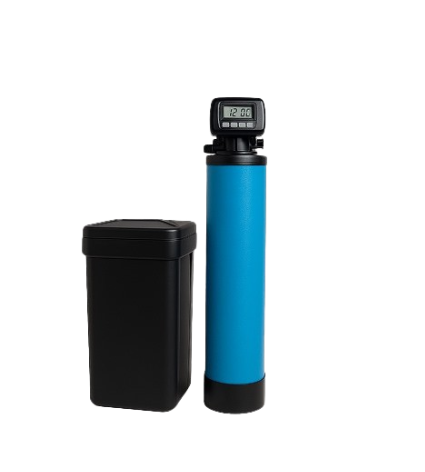
A water softener removes hardness minerals primarily calcium and magnesium.
Hard water isn’t unsafe to drink. The issue is mechanical, not toxic. When water contains high levels of dissolved minerals, it leaves behind scale buildup inside pipes, water heaters, faucets, and appliances.
Over time, that buildup:
- Reduces appliance efficiency

- Shortens equipment lifespan
- Causes soap scum and streaky dishes

- Makes skin and hair feel dry

A water softener uses a process called ion exchange. It swaps calcium and magnesium ions for sodium (or potassium) ions. The hardness minerals stick to resin beads inside the system, and softened water flows through your home.
Soft water doesn’t eliminate contaminants. It simply removes hardness.
Think of it as protecting your plumbing, not purifying your drinking water.
What Does a Water Filtration System Do?
A water filtration system removes contaminants from water.
Depending on the type of filter, this can include:
- Chlorine
- Sediment
- Heavy metals
- Volatile organic compounds (VOCs)
- Taste and odor issues
- Certain bacteria (in advanced systems)
Filtration systems work through different mechanisms: activated carbon, reverse osmosis, sediment screens, or multi-stage filtering.
The purpose here isn’t scale prevention. It’s improving water quality for drinking, cooking, and sometimes whole-home use.
Filtration improves taste, reduces chemical exposure, and can provide cleaner water at the tap.
Is Hard Water the Same as Dirty Water?
No. And this misunderstanding causes a lot of incorrect purchases.
Hard water refers specifically to mineral content. It may look clean but still cause scaling.
Filtered water refers to contaminant removal. It may still be hard if minerals are not removed.
You can have water that is:
- Hard but safe
- Soft but chemically untreated
- Filtered but still mineral-heavy
These systems address different variables.
Do I Need a Water Softener or a Water Filter?
That depends entirely on what your water contains.
If you notice white residue on faucets, frequent appliance breakdowns, stiff laundry, or soap that doesn’t lather well, hardness is likely the issue. A water softener solves that.
If you notice chlorine taste, odor, sediment in drinking water, or concerns about contaminants, filtration is the solution.
In many Ontario homes, especially in regions with high mineral content, homeowners install both systems together. One protects plumbing and appliances. The other improves water quality at the tap.
Can a Water Softener Replace a Water Filter?
No.
A water softener does not remove chlorine, heavy metals, or chemical contaminants. It only addresses hardness minerals.
Similarly, most standard filtration systems do not remove calcium and magnesium. They improve taste and remove contaminants, but scale buildup can still occur.
They are complementary technologies, not substitutes.
What About Reverse Osmosis Systems?
Reverse osmosis (RO) is a more advanced type of filtration. It pushes water through a semi-permeable membrane that removes a high percentage of dissolved solids, including some minerals.
However, RO systems are typically installed at a single drinking-water tap, not for whole-home use. They are excellent for drinking water purification but do not protect plumbing throughout the house.
Which System Is Better for Ontario Homes?
Many areas in Ontario have moderate to high water hardness levels. This means scale buildup in water heaters and appliances is common.
At the same time, municipal treatment introduces chlorine and other disinfectants that affect taste and odor.
Because of this, many homeowners benefit from a combination approach:
- A water softener to protect plumbing and appliances.
- A water filtration system to improve taste and reduce contaminants.
It’s not about “better.” It’s about solving the right problem.
Does Installation Matter?
Yes, significantly.
Improperly sized softeners can waste salt and water. Poorly installed filtration systems can reduce water pressure or fail to treat all fixtures properly.
Water treatment is chemistry plus hydraulics. It needs correct flow rates, bypass valves, drain connections, and maintenance planning.
Like HVAC systems, performance depends heavily on proper setup.
Final Thoughts: Protection vs Purification
Water softeners protect your home’s plumbing infrastructure. Water filtration systems improve the quality of the water you consume.
One defends your pipes. The other defends your glass.
Understanding the distinction prevents expensive guesswork and ensures your investment actually solves the issue you’re experiencing.
If you’re considering water treatment solutions in Ontario, Go Lime offers professional water softener and water filtration system installation with standard installation included and flexible rental or buy options available. Our team helps assess your water conditions and recommend the right system for long-term performance and peace of mind.


