













Water Hardness of Ontario Cities: Do You Need A Water Softener?
 Liby Thomas
Published on: Jan 13, 2026
Liby Thomas
Published on: Jan 13, 2026

Hard water is one of those quiet Ontario realities that most homeowners don’t think about until it starts leaving white scale on faucets, ruining appliances, or making skin and hair feel dry no matter what soap you use. The reason is simple: Ontario’s water hardness varies widely by city, and in many regions, it’s high enough to cause long-term damage inside your home.
This guide breaks down water hardness levels across major Ontario cities, explains why they differ, and helps you understand what those numbers actually mean for your plumbing, appliances, and comfort.
What Is Water Hardness?
Water hardness measures how much calcium and magnesium are dissolved in your water. These minerals aren’t harmful to drink, but they create problems when water is heated or evaporates.
Water hardness is commonly measured in grains per gallon (gpg) or milligrams per litre (mg/L):
- Soft: 0–3 gpg (0–50 mg/L)
- Moderately hard: 3–7 gpg (50–120 mg/L)
- Hard: 7–10 gpg (120–180 mg/L)
- Very hard: 10+ gpg (180+ mg/L)
Most Ontario cities fall into the hard or very hard category.
Why Water Hardness Varies Across Ontario
Ontario’s water hardness is shaped by geology and water source:
- Cities drawing from Lake Ontario or Lake Erie still see hardness due to limestone runoff.
- Regions supplied by groundwater or aquifers often have much harder water.
- Southwestern Ontario sits on limestone-rich bedrock, which naturally increases mineral content.
Even neighboring cities can have noticeably different hardness levels depending on treatment methods and source water.
Water Hardness by Major Ontario Cities
Toronto
Toronto’s water comes primarily from Lake Ontario. While often described as “moderately hard,” most homes experience 120–140 mg/L (7–8 gpg). Scale buildup is common in kettles and water heaters over time.
Mississauga
Mississauga shares Lake Ontario water but tends to run slightly harder than Toronto, averaging 130–150 mg/L (7–9 gpg). Many homeowners install water softeners to protect appliances.
Brampton
Brampton has some of the hardest water in the GTA, often measuring 200–250 mg/L (12–15 gpg). This level is considered very hard and frequently causes scale, cloudy glassware, and reduced water heater lifespan.
Vaughan
Vaughan’s water is also very hard, typically 180–220 mg/L (10–13 gpg). Homes with tank or tankless water heaters see faster efficiency loss without softening.
Markham
Markham’s hardness usually falls between 150–200 mg/L (9–12 gpg). While safe to drink, it’s high enough to justify a whole-home softener in most cases.
Hamilton
Hamilton’s water, sourced from Lake Ontario, is consistently hard, averaging 140–160 mg/L (8–9 gpg). Scale buildup in plumbing and fixtures is common.
Oakville
Oakville’s water sits in the moderately hard to hard range at 120–140 mg/L (7–8 gpg). Many newer homes still add softeners for appliance protection.
Burlington
Burlington experiences similar conditions to Oakville, with water hardness typically around 130–150 mg/L (7–9 gpg).
Kitchener
Kitchener draws heavily from groundwater, making its water very hard, often 250–300 mg/L (15–18 gpg). Water softeners are extremely common here.
Waterloo
Waterloo has some of the hardest municipal water in Ontario, frequently exceeding 300 mg/L (18+ gpg). Softening isn’t a luxury—it’s a necessity for most homes.
Cambridge
Cambridge water is also very hard, typically 250–300 mg/L (15–18 gpg), with noticeable scale issues in plumbing and heating systems.
London
London’s groundwater supply results in very hard water, averaging 180–220 mg/L (10–13 gpg). Scale buildup is one of the city’s most common homeowner complaints.
Windsor
Windsor’s water comes from the Detroit River and is moderately hard, usually 110–130 mg/L (6–8 gpg) less severe than many inland cities.
Ottawa
Ottawa’s water is sourced from the Ottawa River and is relatively moderately hard, around 100–120 mg/L (6–7 gpg). While softer than southwestern Ontario, scale still builds over time.
How Hard Water Affects Ontario Homes
Across Ontario, hard water commonly causes:
- Scale buildup inside water heaters and boilers
- Reduced efficiency and shorter lifespan of appliances
- Dry skin, brittle hair, and soap that doesn’t lather well
- Spots on dishes, glassware, and fixtures
- Higher energy bills due to scale insulating heating elements
In cities with very hard water, these effects show up much faster.
Do You Need a Water Softener in Ontario?
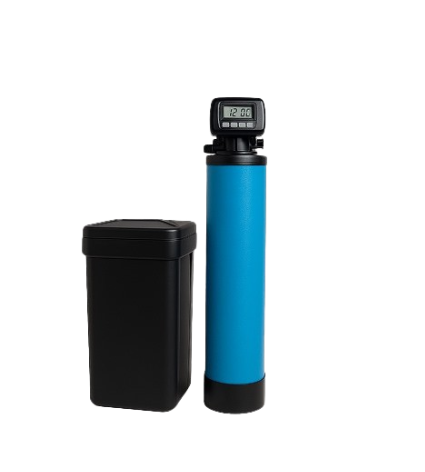
If your city’s water hardness is above 7 gpg (120 mg/L), a water softener is usually recommended. In areas like Brampton, Kitchener, Waterloo, Cambridge, and Vaughan, softeners are often considered standard home equipment, not upgrades.
Softened water helps:
- Protect plumbing and appliances
- Improve hot water efficiency
- Reduce soap and detergent usage
- Extend the life of tank and tankless water heaters
Final Thoughts
Ontario has some of the hardest municipal water in Canada, especially across the GTA and southwestern regions. While hard water is safe to drink, it quietly damages plumbing systems, reduces appliance efficiency, and increases maintenance costs over time.
Understanding your city’s water hardness is the first step toward protecting your home and avoiding unnecessary repairs. In areas with hard or very hard water, installing a properly sized water softener isn’t just a comfort upgrade—it’s a long-term investment in your home’s plumbing and appliances.
Go Lime provides professionally installed water softeners across Ontario, helping homeowners reduce scale buildup, improve water quality, and extend the life of water heaters and household appliances. With the right system in place, hard water stops being a daily problem and becomes something you don’t have to think about at all.
Hard water may be invisible but its impact isn’t.


