













What Is a Red Tag and What Should You Do If You Get One?
 Liby Thomas
Published on: Mar 27, 2026
Liby Thomas
Published on: Mar 27, 2026

If an HVAC technician has ever left your home or commercial property and told you your system has been "red tagged," you probably felt a mix of confusion and concern. It sounds alarming and in some cases, it genuinely is. But getting a red tag on your furnace or HVAC system doesn't always mean disaster. What it does mean is that something needs your attention and ignoring it isn't an option.
Here's everything you need to know about HVAC red tags: what they are, why they happen, what the two types mean, and what your next steps should be.
What Does a Red Tag Mean in HVAC?
A red tag is an official notice typically a physical tag or written advisory that a certified HVAC technician attaches to a heating or cooling unit when they've identified a safety hazard or code violation. Think of it as the HVAC equivalent of a "do not operate" warning. The technician is legally and professionally obligated to flag the issue, and in many cases, they're required to shut off the equipment on the spot.
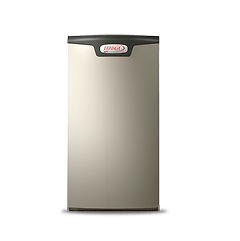
Red tags are most commonly issued on furnaces, boilers, and gas appliances — essentially any system that involves combustion or gas lines. They're less common on central air conditioning or heat pump systems, though code violations can still arise there.
The tag itself is usually red (hence the name) and includes details like the date of inspection, the nature of the problem, the technician's certification number, and the gas utility or regulatory authority involved.
Why Would an HVAC System Get Red Tagged?
The most common reasons a technician issues a red tag include:
Carbon monoxide risks: A cracked heat exchanger is one of the most serious and most common causes of a red tag. When the heat exchanger fails, combustion gases including carbon monoxide can leak into the air circulating through your home. CO is odorless, colorless, and potentially fatal.
Gas leaks: Any detected gas leak in the supply line, valve, or connections to the unit will result in an immediate red tag and gas shutoff. This is non-negotiable.
Improper venting: If combustion exhaust isn't properly venting to the outdoors whether due to a blocked flue, disconnected vent pipe, or incorrect installation — the technician will red tag the unit.
Unsafe clearances or installation issues: Equipment installed too close to combustible materials, or units that don't meet current building codes, can trigger a red tag.
Excessive deterioration: A furnace or boiler that has deteriorated to the point where it poses a structural or operational safety risk may be red tagged even if no single component has obviously failed.
Can a Water Heater or Tankless Unit Get Red Tagged?
Yes — and this surprises many homeowners who assume red tags are a furnace-only issue. Any gas-fired appliance can be red tagged, and water heaters (both tank and tankless) are among the more commonly flagged units in Ontario homes.
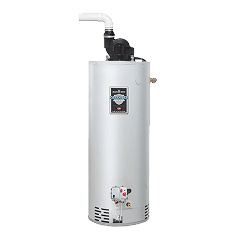
Tank water heaters are typically red tagged for blocked or deteriorated flue or vent pipes, faulty or missing temperature-pressure relief (TPR) valves, gas supply line leaks or improper connections, inadequate combustion air supply, and units that have aged beyond safe operating condition.
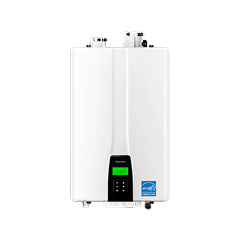
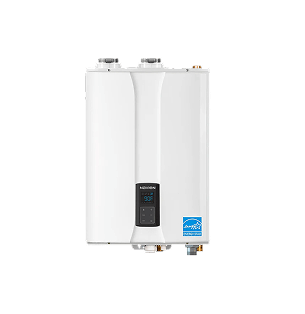
Tankless water heaters are most often flagged for improper venting — since tankless units use high-efficiency sealed venting systems, installation errors are relatively common and create real safety risks. Other causes include undersized gas lines (tankless units draw significantly higher BTUs than tank units, and an undersized line will get flagged), incorrect condensate drainage on condensing models, and missing or improperly installed pressure relief.
If your home has a water heater that hasn't been inspected in several years, it's worth having a licensed technician take a look — especially if the unit is over 8–10 years old or was installed by the previous homeowner.
The Two Types of Red Tags: A and B
Not all red tags carry the same level of urgency. In Canada, especially relevant across Ontario, red tags are classified into two categories under the TSSA (Technical Standards and Safety Authority) framework.
- Type A Red Tag: It means the equipment has been identified as an immediate danger to life, property, or both. When a technician issues a Type A, they are required to shut off the gas supply to the unit on the spot. You cannot legally operate the equipment until the issue has been repaired and cleared by a certified gas technician. Examples include an active gas leak, a severely cracked heat exchanger, or a blocked flue creating an imminent CO risk.
- Type B Red Tag: It means the equipment has a deficiency that is not immediately dangerous but still needs to be repaired. The system may continue to operate temporarily, but the issue must be corrected within a defined timeframe. Type B might be issued for something like an aging component that hasn't yet failed but no longer meets current code, or a minor venting concern that isn't yet causing unsafe conditions.
Understanding which type of red tag you've received is the critical first step in knowing how urgently you need to act.
What Happens to Your Gas Service?
When a Type A red tag is issued, the technician is required by law to notify the local gas utility in Ontario, that's typically Enbridge Gas and the gas supply to the unit is disconnected. This means no heat until the issue is resolved and the system is cleared by a licensed technician.
For a Type B red tag, gas service generally continues, but the utility and the TSSA are notified of the outstanding deficiency. There's a window to get repairs done, and if it lapses without action, gas service can still be disconnected.
Who Can Issue a Red Tag?
In Ontario, only a licensed gas technician certified by the TSSA can legally issue a red tag. This includes HVAC technicians holding a valid G2 or G1 gas licence, plumbers licensed to work on gas appliances (most relevant for water heater red tags), Enbridge Gas field technicians (who can red tag during a service call or leak investigation), and in some circumstances, municipal building inspectors.
An important point: a home inspector, unlicensed handyman, or general contractor cannot legally issue a red tag. If someone without a gas certification flags your unit, it carries no legal weight under TSSA rules — though if they've identified a genuine safety concern, it's still worth following up with a licensed tech.
Who Can Remove a Red Tag?
Only a licensed gas technician can remove a red tag — and only after the deficiency that caused it has been fully corrected and documented. The technician who removes the tag does not need to be the same one who issued it, which matters: you are free to hire any licensed contractor to complete the repair and clear the tag. You are not obligated to use the company that originally flagged the unit.
Once repairs are complete, the technician signs off, documents the correction, and notifies the TSSA. For a Type A tag where Enbridge disconnected the gas supply, a separate step is required — Enbridge must physically reconnect the line, which typically involves their own field technician visiting after the repair is confirmed.
One thing homeowners should never do is remove the physical tag themselves or turn the gas back on without official clearance. This is illegal under Ontario's Technical Standards and Safety Act and creates serious risk for your household. If the gas is reconnected without proper sign-off and something goes wrong, insurance coverage may also be affected.
Can You Dispute a Red Tag?
Yes and this is an important point that homeowners and property managers sometimes don't realize. If you believe the red tag was issued incorrectly or the assessment was inaccurate, you have the right to get a second opinion from another licensed gas technician. If that technician disagrees with the original finding, the dispute can be escalated to the TSSA for adjudication.
This matters because, unfortunately, not every red tag is issued purely on safety grounds. Some unscrupulous contractors use red tags as a pressure tactic to upsell equipment unnecessarily. If a technician red tags your furnace and immediately offers to sell you a new one at a significant cost, it's reasonable to get a second opinion before committing.
That said, red tags issued in good faith are there for your protection. Carbon monoxide poisoning is responsible for dozens of deaths in Canada every year, and the vast majority of red tags reflect genuine safety concerns that should be taken seriously.
What Should You Do After Getting a Red Tag?
- Step one: Don't panic, but don't ignore it either. Read the tag carefully. Note whether it's a Type A or Type B, what the specific issue is, and any deadlines or instructions the technician has left.
- Step two: If it's a Type A, make alternative heating arrangements. If your gas has been shut off in the middle of winter, you'll need to sort out temporary heating while the repair is underway. Electric space heaters, staying with family, or contacting your utility for guidance are all options.
- Step three: Get the repair assessed by a licensed gas technician. Whether that's the company that issued the tag, a second company for a second opinion, or a contractor you already trust, you need a certified professional to diagnose the issue and recommend a repair or replacement.
- Step four: Understand your options. Depending on the nature and age of the equipment, you may be looking at a repair (replacing the heat exchanger, re-sealing a gas line, correcting the venting) or a full system replacement. A good contractor will walk you through the costs and options transparently.
- Step five: Get the system cleared. Once repairs are completed, the technician signs off, the TSSA is notified, and in the case of a Type A — the gas utility reconnects service. Keep all records of the work done, including the technician's licence number and the TSSA notification confirmation.
How to Prevent a Red Tag in the First Place?
The best way to avoid the stress of a red tag is routine, annual HVAC maintenance. A certified technician performing a seasonal tune-up will inspect the heat exchanger, test for CO, check all gas connections, verify venting, and identify any components that are deteriorating before they become a safety issue.
Annual maintenance isn't just about preventing red tags, though — it also extends equipment life, maintains manufacturer warranties, improves energy efficiency, and gives you confidence heading into heating season. Think of it the way you'd think about getting your vehicle serviced. You wouldn't skip oil changes and hope for the best; your furnace deserves the same consideration.
The Bottom Line
A red tag on your HVAC system is a serious notice but it's also a system working as it should. Certified technicians are trained to spot hazards that the average homeowner would never detect, and the red tag process exists specifically to protect people from invisible, potentially life-threatening dangers like carbon monoxide and gas leaks.
If you've received one, don't wait. Call Go Lime at 1-877-747-8292 — our licensed technicians will assess the issue honestly, walk you through your options, and get your system back to safe operation without the pressure or the runaround.


