











Air Conditioner Buying Guide for Ontario Homeowners (2026 Edition)
 Liby Thomas
Published on: Mar 04, 2026
Liby Thomas
Published on: Mar 04, 2026

Hot summers across Canada, especially in Ontario have made air conditioning less of a luxury and more of a necessity. Modern AC systems are quieter, more energy efficient, and smarter than ever, but choosing the right system still requires understanding how they work, how much they cost, and what size your home needs.
Quick Answers
Q. How much does an air conditioner cost in Ontario?
A. A new central air conditioner in Ontario typically costs $3,500 to $7,500 installed, depending on system size, efficiency rating, and installation complexity.
Q. How long does an air conditioner last?
A. Most residential AC systems last 12–15 years with proper maintenance.
Q. What size AC do I need for my home?
A. Most homes require 1.5–4 tons of cooling capacity, depending on square footage and insulation.
Q. What SEER rating should I choose in Ontario?
A. Modern high-efficiency systems typically range between 16–20 SEER2.
This 2026 buying guide walks you through the key things Ontario homeowners should know before purchasing a new air conditioner: how systems work, sizing, costs, maintenance, and the best brands to consider.
How Does an Air Conditioner Work?
At its core, an air conditioner moves heat from inside your home to the outside. It doesn’t “create cold air.” Instead, it removes heat and humidity from indoor air.
A typical central AC system works through four main components:
- Evaporator Coil: Located inside your home near the furnace or air handler. Warm indoor air passes over this coil, where refrigerant absorbs heat.
- Compressor: Located in the outdoor unit. It compresses the refrigerant and pumps it through the system.
- Condenser Coil: Also located outside. Heat collected from inside your home is released into outdoor air.
- Refrigerant: A specialized fluid that cycles through the system, carrying heat from inside to outside.
If your system suddenly stops cooling properly, you may want to read Why Is My AC Blowing Warm Air? Common Causes & Quick Fixes to understand the most common issues homeowners face.
How Much Does an Air Conditioner Cost in Ontario?
The cost of a new air conditioner in Ontario varies depending on system size, efficiency rating, brand, and installation complexity.
Typical price ranges in 2026:
| Air Conditioner Type | Average Cost | Average Unit Lifespan |
| Central Air Conditioner | $3995-$6000 | 15 Years |
| Ductless Air Conditioner | $3000-$6000 | 20 Years |
| Window Air Conditioner | $200-$1000 | 8-10 Years |
| Wall-Mounted Air Conditioner | $450-$700 | 10 Years |
| Portable Air Conditioner | $250-$700 | 5-10 Years |
Several factors influence final pricing:
- Home size and cooling load
- Existing ductwork condition
- Electrical upgrades
- Efficiency rating (SEER)
- Brand and warranty
Higher efficiency systems may cost more initially, but they can significantly reduce operating costs. Understanding ratings like SEER2 can help you choose a more efficient system. Learn more in What Is SEER2 and Why It Matters for Your Ontario AC System.
When Should You Replace Your Air Conditioner?
Air conditioners don’t last forever. Most systems have a lifespan of 12-15 years with proper maintenance.
Signs it may be time to replace your AC include:
- Your system is 10-15 years old
- Frequent breakdowns or costly repairs
- Rising electricity bills
- Uneven cooling across rooms
- Loud or unusual noises
Before replacing your system, it’s worth troubleshooting common issues. You can start with How to Troubleshoot the Most Common Summer AC Problems in Ontario to determine whether a repair might solve the issue.
Air Conditioner Maintenance and Repair Basics
Air conditioners need regular maintenance to run efficiently and last longer.
Key maintenance tasks include:
- Replace air filters regularly
Dirty filters restrict airflow and reduce system efficiency. Homeowners often underestimate how frequently filters should be replaced. For a full explanation, read How Often Should You Change Your AC Filter in Ontario?
-
Clean outdoor condenser unit
Leaves, dirt, and debris block airflow and reduce cooling efficiency. -
Inspect refrigerant levels
Low refrigerant can reduce cooling and may indicate a system leak. Water buildup around the unit can also signal problems. If you notice moisture or pooling water, read Why Is My Air Conditioner Leaking Water? - Inspect electrical components
Electrical problems can cause breakers to trip or the system to shut down. If your AC frequently cuts power, check Why Does My Air Conditioner Keep Tripping the Breaker?
Regular tune-ups can improve efficiency and prevent expensive breakdowns.
What Size Air Conditioner Do I Need for My Home in Ontario?
One of the most common mistakes homeowners make is installing an oversized or undersized AC.
If the system is too small, it struggles to cool your home. If it’s too large, it cools quickly but doesn’t remove humidity properly.
Cooling capacity is measured in BTUs (British Thermal Units).
General sizing guideline:
| Home Size | Recommended Tons | Cooling Capacity (BTUs) |
| 1,000 sq ft | 1.5 - 2 Tons | 18,000 - 24,000 BTUs |
| 1,500 sq ft | 2 - 2.5 Tons | 24,000 - 30,000 BTUs |
| 2,000 sq ft | 2.5 - 3 Tons | 30,000 - 36,000 BTUs |
| 2,500 sq ft | 3 - 4 Tons | 36,000 - 48,000 BTUs |
However, a professional HVAC contractor should perform a Manual J load calculation, which considers insulation, windows, and climate conditions.
Proper sizing also helps ensure the system runs efficiently. If you're looking to improve performance after installation, see How to Improve Your Air Conditioner’s Efficiency and Lower Energy Bills.
Best Air Conditioner Brands of 2026
Several manufacturers consistently rank among the best for reliability, energy efficiency, and long-term performance. Choosing a reputable brand ensures better durability, stronger warranties, and more consistent cooling during hot Canadian summers.
Here are some of the top air conditioner brands commonly installed in Canadian homes.
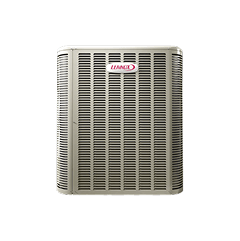
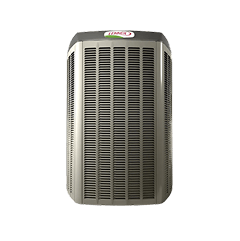
Lennox
Lennox is known for producing high-efficiency and quiet air conditioners. Many Lennox systems offer excellent SEER ratings and advanced compressor technology designed to reduce energy use while maintaining consistent cooling.
Homeowners looking for reliable Lennox systems can explore options like the Lennox Merit Series Air Conditioners or the more advanced Lennox Elite Air Conditioners, both designed to deliver efficient whole-home cooling.
Trane
Trane air conditioners are widely recognized for their durability and performance in extreme climates. Their systems are built with robust components that can handle long cooling seasons while maintaining reliable operation.
A popular option for homeowners looking for dependable cooling is the Trane 5TTR3 Single-Stage Air Conditioner, known for its solid performance and dependable build quality.
Goodman
Goodman is one of the most popular brands for homeowners seeking affordable and reliable cooling systems. The brand focuses on delivering strong warranty coverage and dependable performance at a competitive price.
Two commonly installed Goodman systems include the Goodman GLXS3 Single-Stage Air Conditioner and the Goodman GLXS4 Single-Stage Air Conditioner, both designed to provide efficient cooling for residential homes.
Keeprite
Keeprite systems are designed for efficient performance and long-term reliability, making them a strong option for Ontario homeowners who want dependable cooling without premium pricing.
Popular models include the Keeprite N4A4S Single-Stage Air Conditioner and the Keeprite R4A4S Single-Stage Air Conditioner, both built to provide consistent cooling during peak summer temperatures.
RunTru
RunTru is a budget-friendly brand backed by Trane technology. These systems offer reliable performance with simple, durable designs, making them a good choice for homeowners looking for cost-effective cooling solutions.
The RunTru Single-Stage Air Conditioner is a practical option that provides steady cooling performance while keeping installation costs lower than many premium systems.
Key Buying Considerations for Ontario Homes
Choosing an AC system in Ontario involves more than just picking a brand.
Size Matters (BTUs)
An oversized system wastes energy and causes humidity issues. Proper sizing ensures consistent comfort and efficiency.
Energy Efficiency (SEER Rating)
SEER stands for Seasonal Energy Efficiency Ratio. The higher the number, the more efficient the system.
Typical ranges:
- Standard efficiency: 13-16 SEER
- High efficiency: 17-20+ SEER
Modern systems often feature improved SEER2 ratings, which reflect updated testing standards. To understand how this impacts energy costs, read What Is SEER2 and Why It Matters for Your Ontario AC System.
ENERGY STAR Certification
ENERGY STAR certified air conditioners meet strict efficiency standards set by the Canadian government.
Benefits include:
- Lower operating costs
- Reduced environmental impact
- Eligibility for certain rebates
Installation & Maintenance
Installation quality matters as much as the equipment itself. Poor installation can drastically reduce system lifespan and efficiency.
Rebates & Incentives
Ontario homeowners may qualify for rebates through:
- Provincial energy programs
- Utility companies
- Federal energy efficiency programs
These incentives can significantly reduce the upfront cost of upgrading to efficient systems.
Types of Home Air Conditioners
Different homes require different cooling solutions.
Central Air Conditioning
Central AC systems use ductwork to distribute cooled air throughout the entire home. They are ideal for houses with existing furnace duct systems.
This system is ideal for homes with existing furnaces and duct systems. If you're deciding between system types, read Ductless vs Central Air Conditioning – A Complete Guide for Ontario Homeowners.
Ductless Air Conditioners (Mini Split)
Ductless systems use indoor wall units connected to an outdoor compressor.
Advantages include:
- No ductwork required
- Zoned temperature control
- High efficiency
Best for homes without ducts or room additions.
Window Mounted Air Conditioners
Window units are compact systems installed directly in a window frame.
They are affordable but typically cool only one room.
Wall Mounted Air Conditioners
Similar to window units but installed through an exterior wall instead of a window. These offer a more permanent cooling solution for single rooms.
Portable Air Conditioners
Portable AC units sit on the floor and vent through a window hose.
They are convenient but less efficient than other options.
| AC Type | Best For | Average Cost | Efficiency |
| Central AC | Whole-home cooling | $3,500-$7,500 | High |
| Ductless Mini Split | Homes without ducts | $4,000-$8,000 | Very High |
| Window AC | Single rooms | $200-$800 | Medium |
| Wall-mounted AC | Permanent room cooling | $500-$1,200 | Medium |
| Portable AC | Temporary cooling | $400-$1,200 | Lower |
Steps to Take Before Buying an Air Conditioner
Buying the right AC involves more than simply choosing a model.
- Measure Your Space: Determine your home's square footage and layout to estimate cooling requirements.
- Evaluate Your Home’s Needs: Consider insulation, number of windows, ceiling height, and sun exposure.
- Choose a Reputable Installer: An experienced contractor ensures proper sizing, installation, and system performance.
- Check for Rebates: Look for local rebates and energy efficiency programs that can reduce your purchase cost.
- Consider System Age: If your heating system is aging, it may make sense to upgrade multiple systems together. Some homeowners now install hybrid cooling systems that combine heat pumps and air conditioning for better efficiency. Learn more in How Hybrid AC Systems Save You Money Year-Round.
How to Maintain Your Air Conditioner to Extend Its Lifespan
Regular maintenance can add several years to your AC system’s life.
Important maintenance tips include:
- Replace filters every 1-3 months
- Keep outdoor units clear of debris
- Schedule annual professional maintenance
- Check thermostat settings
- Ensure vents are not blocked
Temperature settings also affect efficiency and comfort. If you're unsure what temperature works best during summer, read What’s the Ideal AC Temperature Setting in Ontario Homes?
Find the Right Air Conditioner Contractor
Even the best air conditioner won’t perform well if it’s installed incorrectly.
A qualified HVAC contractor should:
- Perform a full home load calculation
- Explain system efficiency ratings
- Provide clear installation quotes
- Offer warranty coverage
- Provide maintenance services
Choosing an experienced installer ensures your system delivers reliable cooling for years.
Final Thoughts
Choosing an air conditioner for your Ontario home involves balancing efficiency, cost, system size, and installation quality. Understanding how AC systems work, comparing brands, and selecting the correct size can help you make a smarter long term investment.
With proper maintenance and professional installation, a modern air conditioner can provide 15 years or more of reliable cooling, keeping your home comfortable even during the hottest Ontario summers.
Frequently Asked Questions:
Q. How much does it cost to run an air conditioner in Ontario?
A. The average central AC costs $40–$120 per month in electricity during summer depending on home size, insulation, and efficiency rating.
Q. What size AC is best for a 2000 sq ft home?
A. Most homes around 2000 sq ft require a 2.5 to 3 ton air conditioner, though proper load calculations are recommended.
Q. Is ductless AC more efficient than central AC?
A. Ductless systems are often 20–30% more efficient because they avoid energy losses through ductwork.
Q. Should I repair or replace my AC?
A. If your system is over 12 years old and repairs exceed 30–40% of replacement cost, replacement is often the better long-term option.


