












What’s the Difference Between a Furnace and a Boiler?
 Liby Thomas
Published on: Feb 04, 2026
Liby Thomas
Published on: Feb 04, 2026

When homeowners talk about heating systems, the terms furnace and boiler are often used as if they mean the same thing. In reality, they describe two very different ways of heating a home. Both are common in Ontario, both are effective in cold climates, and both can deliver excellent performance when installed correctly. The difference lies in how they produce and distribute heat and that difference affects comfort, efficiency, and long-term costs.
If you’re upgrading an older system, buying a home, or simply trying to understand what type of heating you have, knowing how furnaces and boilers compare can help you make a much more confident decision.
The Fundamental Difference: Air vs. Water
At the most basic level, the difference between a furnace and a boiler comes down to what they heat.
A furnace heats air and pushes that warm air through ductwork and vents to warm the home. A boiler heats water, which then circulates through pipes and releases heat through radiators, baseboards, or radiant floor systems.
This single distinction shapes everything else from how the heat feels in your home to how fast rooms warm up and how the system is maintained.
How a Furnace Heats Your Home?
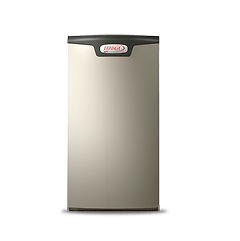
A furnace works by heating air inside a sealed chamber called a heat exchanger. Once the air reaches the desired temperature, a blower fan distributes it through ducts and into living spaces. When the thermostat is satisfied, the furnace shuts off until the next heating cycle begins.
Furnaces are widely used in Ontario homes built in the last several decades, especially in houses that also use central air conditioning. Because they rely on ductwork, furnaces are well suited for homes that already have vents throughout the structure.
One of the biggest advantages of a furnace is speed. When the thermostat calls for heat, warm air reaches rooms quickly. This responsiveness makes furnaces ideal for homeowners who like adjusting temperatures throughout the day.
How a Boiler Heats Your Home?
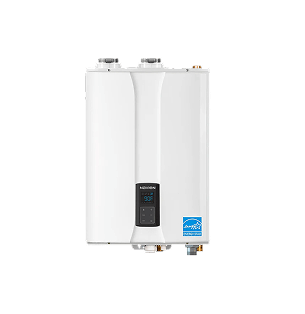
A boiler takes a very different approach. Instead of heating air, it heats water and circulates that hot water through a closed-loop system. As the water moves through radiators or in-floor tubing, heat radiates into the room before the water returns to the boiler to be reheated.
Because boilers rely on radiant heat, the warming process is slower but much more even. Rather than bursts of hot air, rooms gradually reach and maintain a stable temperature. Many homeowners describe boiler heat as more comfortable and natural, especially during long winter months.
Boilers are common in older Ontario homes and custom-built properties, particularly those designed with comfort and quiet operation in mind.
Comfort: Which System Feels Better?
Comfort is often the deciding factor between a furnace and a boiler, and it’s also the most subjective.
Furnaces tend to create noticeable heating cycles. Warm air turns on, rooms heat up quickly, and then the system shuts off. In some homes, this can lead to temperature swings or cold spots, particularly if ductwork is uneven or poorly sealed.
Boilers, on the other hand, deliver a steady and consistent warmth. Because heat radiates from surfaces rather than being blown through vents, there are fewer drafts and far less temperature fluctuation. The system operates quietly, and the warmth tends to feel more evenly distributed throughout the home.
Neither system is inherently better—it depends on whether you value fast response or stable, even heat.
Energy Efficiency and Heat Loss
Both furnaces and boilers can be highly efficient, but they lose heat in different ways.
Furnaces depend on ductwork to move air. If ducts are poorly designed or leaky, heat can be lost before it ever reaches living spaces. Modern high-efficiency furnaces can perform extremely well, but duct quality plays a major role in real-world efficiency.
Boilers circulate water, which holds heat more effectively than air. Because there are no ducts, distribution losses are often lower. Radiant systems can be especially efficient, as heat rises naturally and warms occupants directly rather than relying on air circulation.
In well-designed homes, both systems can deliver excellent efficiency. The difference usually comes down to installation quality rather than the system itself.
Installation and Home Compatibility
The type of heating system your home already has is one of the most important factors in deciding between a furnace and a boiler.
Homes with ductwork are naturally suited to furnaces. Replacing or upgrading a furnace is usually straightforward and cost-effective. Homes with radiators or radiant floors are better matched to boilers, and converting those systems to forced-air heating is rarely practical.
Switching from one system type to the other typically involves major renovation work. For most homeowners, upgrading within the same system category makes far more sense.
Maintenance and Reliability
Both systems require regular maintenance, but they differ in complexity.
Furnaces include components like blowers, motors, and air filters that need periodic attention. Filters must be replaced regularly, and airflow components need to stay clean and unobstructed.
Boilers have fewer moving parts but rely on pumps, valves, and pressure controls that must be inspected annually. When maintained properly, boilers are known for long service life and reliable performance.
Access to qualified service technicians is also worth considering. Furnace parts and expertise are widely available, while boiler service may be more specialized depending on location.
Speed, Control, and Daily Use
Furnaces respond quickly to thermostat changes, making them ideal for homeowners who adjust temperatures frequently or want fast warm-ups in the morning. Boilers work best when maintaining a consistent temperature throughout the day.
If you prefer a “set it and forget it” approach, a boiler system often feels more comfortable. If you like immediate control and rapid heating, a furnace may be a better match.
Cooling Compatibility
This is an important practical difference.
Furnaces integrate easily with central air conditioning because both systems use the same ductwork. Boilers do not provide cooling and must be paired with a separate solution, such as ductless air conditioning or split systems.
For homeowners who want a single, integrated heating and cooling system, a furnace-based setup is often simpler.
Which One Is Right for Your Home?
There is no universal answer. The best system depends on your home’s structure, your comfort preferences, and your long-term plans.
A furnace may be the better choice if:
- Your home already has ductwork
- Central air conditioning is important to you
- You prefer quick temperature changes
A boiler may be the better choice if:
- Your home uses radiators or radiant heating
- You value quiet, even warmth
- Consistent comfort matters more than fast response
Final Thoughts
The difference between a furnace and a boiler isn’t about which system is superior. It’s about how heat is delivered and how that delivery method aligns with your home and lifestyle.
Furnaces offer fast, responsive heating and easy integration with cooling systems. Boilers provide steady, radiant warmth that many homeowners find more comfortable over long winters. When properly sized and installed, both systems can perform exceptionally well in Ontario’s climate.
Understanding these differences allows you to choose a heating system based on real-world comfort and performance—not just labels or assumptions.


