












How to Descale a Tankless Water Heater (Step-by-Step Guide)
 Liby Thomas
Published on: Feb 06, 2026
Liby Thomas
Published on: Feb 06, 2026

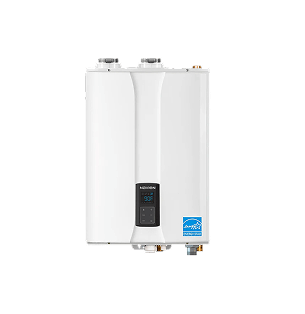
Tankless water heaters are known for their efficiency, long lifespan, and endless hot water. But there’s one maintenance task that’s absolutely critical to keeping them running properly: descaling.
If you live in Ontario, where water hardness is common, mineral buildup can start affecting a tankless system much sooner than many homeowners expect. Left unchecked, scale buildup reduces efficiency, limits hot water output, increases energy use, and can even cause premature system failure.
The good news is that descaling a tankless water heater is straightforward, and understanding how it works can help you decide whether to do it yourself or call a professional.
Why Do Tankless Water Heaters Need Descaling?
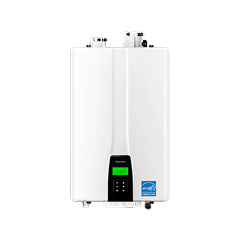
Tankless water heaters heat water instantly as it flows through a heat exchanger. When your home has hard water, minerals like calcium and magnesium are left behind as water is heated. Over time, these minerals form a chalky buildup known as limescale.
Unlike tank-style water heaters, tankless systems don’t store water, but that doesn’t protect them from scale. In fact, because tankless units heat water so intensely, mineral buildup can occur even faster.
If a tankless water heater isn’t descaled regularly, you may notice:
- Reduced hot water flow
- Fluctuating water temperatures
- Longer wait times for hot water
- Higher energy bills
- Error codes or system shutdowns
Descaling isn’t optional maintenance—it’s essential.
How Often Should You Descale a Tankless Water Heater?
For most Ontario homes, once per year is the general recommendation. However, the exact frequency depends on water hardness and usage.
You may need more frequent descaling if:
- Your area has hard or very hard water
- You use a lot of hot water daily
- The manufacturer specifically recommends shorter intervals
- You’ve never descaled the unit before
Some homeowners with water softeners can extend the interval slightly, but annual descaling is still considered best practice.
What Do I Need to Descale a Tankless Water Heater?
Before descaling your tankless water heater, gather the necessary tools and supplies. Most of these are inexpensive and reusable.
You’ll need:
- White vinegar or a manufacturer-approved descaling solution
- A small submersible pump
- Two short hoses (washing machine hoses work well)
- A bucket (5-gallon is ideal)
- A screwdriver
- Gloves and eye protection
Many homeowners purchase a tankless water heater descaling kit, which includes the pump and hoses and makes the process easier.
Step-by-Step Guide on How to Descale a Tankless Water Heater
Step 1: Turn Off Power and Water
Start by turning off the power to the unit. This means switching off the breaker for electric models or turning off the gas supply for gas models.
Next, shut off the cold water supply valve and the hot water outlet valve connected to the unit.
Safety first—never descale a system while it’s powered on.
Step 2: Connect the Hoses
Locate the service valves on your tankless water heater. Most modern units have isolation valves with service ports.
Attach one hose to the cold water service port and the other to the hot water service port. Place the free ends of both hoses into your bucket.
Step 3: Add Descaling Solution
Pour white vinegar or descaling solution into the bucket. You’ll typically need several litres enough for the pump to circulate continuously.
Place the submersible pump into the bucket and connect it to the hose attached to the cold water service port.
Step 4: Circulate the Solution
Open both service valves and turn on the pump. The solution will circulate through the heat exchanger, dissolving mineral buildup as it flows.
Let the solution run for 45 to 90 minutes, depending on manufacturer recommendations and how much scale is present.
During this time, you may notice cloudy or discoloured liquid in the bucket. That’s normal—it’s the mineral buildup breaking down.
Step 5: Flush with Clean Water
Once descaling is complete, turn off the pump and drain the solution.
Remove the bucket, disconnect the pump, and reconnect the cold water supply directly to the unit. Open the cold water valve and flush clean water through the system for several minutes to remove any remaining residue.
This step is important to prevent vinegar or chemicals from entering your household water.
Step 6: Restore Normal Operation
Close the service valves, disconnect the hoses, and securely cap the service ports.
Turn the water valves back on, restore power or gas to the unit, and run a hot water tap to ensure everything is operating smoothly.
Your tankless water heater should now run more efficiently and quietly.
What are the Signs that Your Tankless Water Heater Needs Descaling?
If you’re unsure whether your system is overdue, watch for these warning signs:
- Hot water runs out faster than before
- Water temperature fluctuates
- Error codes appear on the display
- The unit sounds louder than usual
- Energy bills increase unexpectedly
- These are often early indicators of scale buildup.
Can I Descale a Tankless Water Heater Myself?
Yes, many homeowners successfully descale their tankless water heaters on their own, especially if the unit is easily accessible and has service valves installed.
However, professional descaling may be a better choice if:
- Your unit lacks isolation valves
- You’re seeing persistent error codes
- The system hasn’t been serviced in several years
- You want a full inspection along with descaling
Professionals can also identify early wear, flow issues, or installation problems that DIY maintenance may miss.
Does Descaling Really Make a Difference?
Absolutely. Regular descaling helps:
- Restore full heating efficiency
- Extend the lifespan of the heat exchanger
- Reduce strain on internal components
- Maintain consistent hot water output
- Prevent costly repairs or premature replacement
Skipping descaling is one of the fastest ways to shorten the life of a tankless water heater.
Final Thoughts
Descaling is essential maintenance for any tankless water heater, especially in Ontario’s water conditions. While some homeowners choose the DIY route, professional descaling ensures the system is cleaned thoroughly and checked for potential issues at the same time.
At Go Lime, our licensed technicians provide complete tankless water heater maintenance, including professional descaling, performance checks, and system optimization. We don’t just clean the unit—we make sure it’s operating safely, efficiently, and as intended.
Whether you need routine maintenance or expert advice on keeping your tankless system in top shape, Go Lime offers reliable, transparent service designed around long-term comfort and peace of mind.


