













Boiler Replacement Cost In Ontario: What You'll Actually Pay In 2026
 Liby Thomas
Published on: Sep 09, 2026
Liby Thomas
Published on: Sep 09, 2026

The boiler replacement cost in Ontario typically runs from about $9,000 to $15,000 installed, depending on the boiler type, your home's size, and how complicated the install is. Most homeowners with a mid-size house and a straightforward swap land somewhere in the $7,500–$11,000 range. The only way to know your real number is a quote based on your home, but this guide gives you the breakdown so you're not guessing.
This article covers what drives boiler prices up or down, how combi and conventional boiler costs compare, what permits and TSSA rules apply in Ontario, whether any rebates currently apply, and how to avoid the common mistakes that lead homeowners to overpay for a boiler installation.
What a boiler actually does (and why that affects cost)
A boiler heats water and circulates it through radiators, baseboard heaters, or in-floor tubing to warm your home - this is called a hydronic heating system, as opposed to the forced-air system a furnace uses. Because a boiler heats water rather than air, it needs different piping, venting, and controls than a furnace does, which is part of why installation costs vary so much from job to job.
There are a few main types you'll come across when pricing a replacement:
- Conventional (atmospheric) boilers — the simplest and least expensive to install, but the least efficient.
- Combi (combination) boilers — heat your home and supply on-demand hot water from one unit, so you skip a separate water heater. They cost more upfront but save space and can lower long-term operating costs.
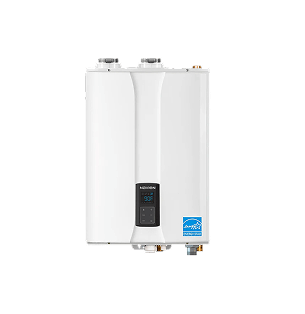
- High-efficiency mod-con (modulating condensing) boilers — the most efficient option, with AFUE ratings often above 90%. They cost the most to install but the least to run, especially over a 15–20 year lifespan.
If you're not sure whether your home even needs a boiler versus a furnace, the key differences between a furnace and a boiler come down to how the heat is distributed through your house — worth confirming before you start collecting quotes.
Boiler replacement cost by type
| Boiler type | Typical installed cost range |
| Standard/conventional | $7,500 – $9,500 |
| Combi (combination) | $8,500 – $11,000 |
| High-efficiency mod-con | $9,000 – $12,000+ |
*General Canadian market ranges as of 2026. Your actual price depends on your home, venting, and current system condition — always get a written, home-specific quote rather than budgeting off a table.
What drives the price up or down
Home size and heat load - A larger home needs a higher-BTU boiler and more radiators or zones to heat, which pushes the price up. This should be based on an actual heat-loss calculation for your home, not a guess — the same Manual J-style load calculation used to size furnaces applies to boilers too, and an undersized unit will run constantly while an oversized one wastes fuel.
Fuel type - Natural gas boilers are usually the cheapest to install and run in Ontario, where gas lines already reach most homes. Propane and oil systems typically cost more to operate and may need additional tank or line work.
Venting requirements - High-efficiency condensing boilers vent through PVC pipe out a side wall, which is often simpler than a chimney liner but if your install needs new venting routed through finished space, that adds labour.
Zoning and controls - More heating zones mean more valves, pumps, and thermostats, which adds to both material and labour cost.
Removal and disposal - Taking out an old cast-iron boiler is heavier, slower work than removing a smaller wall-hung unit, and that's reflected in the labour line.
Permits and inspection - Gas boiler work in Ontario requires the installer to file with the Technical Standards and Safety Authority (TSSA) — this isn't optional and any reputable Ontario HVAC company builds it into the quote.
Boiler vs. furnace: does one cost less to replace?
Furnace replacement in Ontario tends to sit a bit lower on the low end, mostly because forced-air installs are more standardized and don't involve hydronic piping. But it's not a fair straight comparison — the two systems heat completely differently, and switching from one to the other (rather than replacing like-for-like) adds its own conversion costs for ductwork or piping. If you're deciding between the two rather than replacing what you already have, start with the furnace buying guide to understand the tradeoffs, then get quotes for both scenarios.
Permits, TSSA rules, and what's legally required in Ontario
Any company doing gas boiler work in Ontario must be TSSA-certified, and the installation itself gets filed with TSSA as part of the gas permit process. This is separate from a building permit, which is issued by your municipality and is sometimes required depending on the scope of work (for example, if venting changes affect the structure) — your installer should tell you upfront whether your job needs one.
Is a red tag on my boiler a real safety issue? A red tag means a TSSA-recognized inspector has found an unsafe condition and shut the gas off to that appliance until it's fixed. It's a real safety mechanism, but some Ontario companies use red tags as a pressure tactic to rush homeowners into an expensive same-day replacement. If your boiler gets red-tagged, you have the right to get a second opinion before agreeing to any work — a red tag doesn't obligate you to buy from whoever tagged it.
Are boilers eligible for rebates in Ontario right now?
As of 2026, Ontario's main active home-efficiency rebate program — Home Renovation Savings, run by Enbridge Gas and Save on Energy with Ontario government support — funds upgrades like heat pumps, heat pump water heaters, insulation, and smart thermostats. Standard gas boiler and furnace replacements are generally not listed as eligible upgrades under that program, unlike Ontario's heat pump rebate, which specifically targets electrification. Rebate programs change and expire without much notice, so confirm current eligibility directly with the program before you count on any dollar figure, and ask your installer whether anything applies to your specific job.
Was my old boiler ever a rental and does that affect replacement?
Some older Ontario boilers, like water heaters, were installed under long-term rental contracts rather than owned outright. If you're not sure, check your utility bill or paperwork for a monthly rental line, or contact the company listed on the equipment. Ontario's Homeowner Protection Act, 2024 (in force since June 6, 2024) banned new consumer notices of security interest (NOSIs) and expired existing ones registered on title — but that law didn't cancel the underlying rental agreement itself, so a rented boiler may still be under contract even though the NOSI is gone. This is the same rent-vs-buy question that comes up constantly with water heater rentals in Ontario — it's worth reading your contract's buyout terms before you assume replacing the unit is as simple as calling for a swap.
Common mistakes homeowners make
-
Comparing quotes without matching scope: A $6,000 quote and a $10,000 quote for "a new boiler" aren't comparable if one includes new venting, permits, and disposal and the other doesn't. Ask each company to itemize exactly what's included.
-
Sizing off the old boiler instead of a real calculation: If your current system was ever oversized (common in older homes), replacing it with an identical BTU rating just repeats the mistake.
- Skipping the TSSA check on the installer: Ask for the installer's TSSA registration number before signing anything — this is not optional for gas work in Ontario.
- Assuming rebates apply without checking: Don't build a rebate amount into your budget until you've confirmed it on the current program page — programs are updated or closed without much warning.
- Signing a long rental contract to avoid the upfront cost: A rental payment often ends up costing more over the equipment's life than buying or financing the same unit, especially once you add up years of monthly fees.
Expert recommendation
If your boiler is over 15 years old and needs a repair that costs more than about half of a full replacement, replacing it is usually the better financial call — the same repair-or-replace math that applies to furnaces holds for boilers, and you avoid paying for a repair on a system that's close to the end of its life anyway. Before you sign anything, get at least two itemized, TSSA-backed quotes, confirm what permits are included, and ask directly whether you're being sold ownership or a rental. If a company can't clearly explain the difference, that's worth pausing on.
Go Lime prices boiler installations transparently and lets you choose how you pay: Go Pay to buy the system outright, or Go Flex, a monthly plan that builds toward ownership rather than an open-ended rental and if you ever sell your home, the plan transfers to the new owner instead of leaving you on the hook. Every install is backed by a 30-day money-back guarantee and done by TSSA-certified technicians, with no high-pressure sales tactics.
Bottom line
A boiler replacement in Ontario generally costs $5,000–$15,000 depending on type, size, and installation complexity and the only reliable number is a quote based on your actual home. Before you commit, confirm your installer is TSSA-certified, get an itemized quote, check whether any rebate genuinely applies to your project, and make sure you understand whether you're buying, financing toward ownership, or renting.
Ready to see what a new boiler would actually cost at your address? Get a transparent, no-pressure quote from Go Lime or read more about how Go Flex works before you decide how to pay for it.


