











7 Signs You Need a Water Softener
 Liby Thomas
Published on: Jul 28, 2026
Liby Thomas
Published on: Jul 28, 2026

Much of Ontario sits on hard water, water loaded with dissolved calcium and magnesium. It's perfectly safe to drink, but it quietly wears on your home every single day: clouding your glasses, drying out your skin, crusting up your faucets, and shortening the life of expensive appliances. The tricky part is that hard water damage builds up slowly, so most homeowners don't connect the dots until something breaks.
So how do you know if hard water is a problem in your home? Watch for these seven signs. If a few of them sound familiar, a water softener could save you money and frustration for years to come.
Not sure how hard your local water is? Check our breakdown of the water hardness of Ontario cities.
1. Spots and Film on Dishes and Glassware

Pull a glass out of the dishwasher and hold it up to the light. If it's covered in cloudy spots or a chalky film that won't wipe away, that's mineral residue left behind as hard water dries. No amount of rinse aid fully fixes it, because the problem is in the water itself—not the detergent.
2. Dry, Itchy Skin and Dull, Lifeless Hair

Hard water doesn't rinse soap away cleanly. Instead, it leaves a fine film on your skin and hair that can clog pores, cause itchiness, and leave hair feeling straw-like and flat. If your skin feels tight after every shower or you've been blaming your moisturizer for not working, your water may be the real culprit.
3. Soap That Won't Lather

Hard water reacts with soap to form "soap scum" instead of a rich lather. The result: you use more shampoo, more dish soap, and more laundry detergent to get the same clean. If you feel like you're constantly refilling bottles, that extra spending adds up fast and it's a classic hard-water symptom.
4. Crusty White Scale on Faucets, Showerheads, and Kettles
That white, crusty buildup around your faucets and inside your kettle is limescale, the same mineral deposit that forms inside your pipes and appliances where you can't see it. On a showerhead, scale slowly plugs the nozzles and weakens your spray. Inside your plumbing, it narrows the pipes over time.
5. Stiff, Scratchy, Faded Laundry

Minerals in hard water get trapped in fabric fibers, leaving towels stiff, colors dull, and whites looking gray. Clothes wear out faster, too, because the trapped minerals are abrasive. If your laundry never feels as soft as it should even with extra fabric softener, hard water is a likely reason.
6. Your Water Heater Is Getting Loud (or Failing Early)
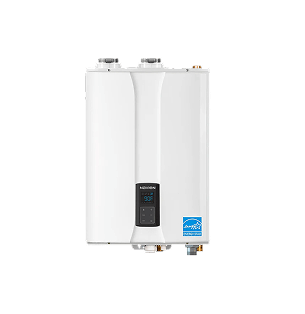
This is the sign that hits your wallet hardest. As hard water heats up, minerals drop out and settle at the bottom of your water heater as sediment and scale. That layer insulates the burner or element, forcing your heater to work harder, burn more energy, and wear out years ahead of schedule.
Hear rumbling, popping, or crackling from the tank? That's very likely scale, we explain it in is your water heater making noise? here's what it means. Scale also accelerates tank corrosion, which is why the protective anode rod gets used up faster in hard-water homes. If you're already shopping for a replacement, our water heater buying guide is worth a read.
7. Reduced Water Pressure and Appliances That Keep Breaking

When scale builds up inside pipes and appliance valves, water flow drops. You may notice weaker pressure at the shower or faucet, and appliances that use water - dishwashers, washing machines, coffee makers, ice makers tend to fail earlier. Repair bills and replacements that seem to come "out of nowhere" are often hard water quietly doing its damage.
What's Actually Causing All This?
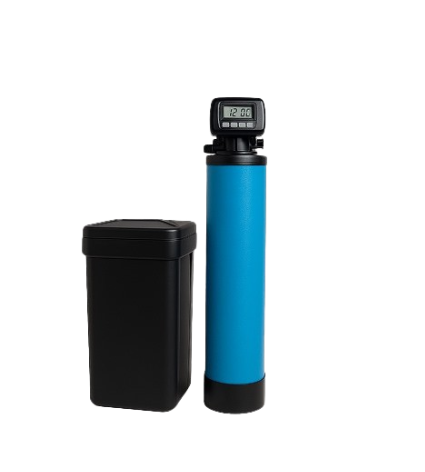
Every one of these symptoms traces back to the same thing: dissolved calcium and magnesium. A water softener solves the problem at the source using a process called ion exchange, swapping those hardness minerals for a tiny amount of sodium. Soft water then lathers easily, rinses clean, and stops leaving scale behind protecting your skin, your laundry, and your appliances all at once.
Water Softener vs. Water Filter - Are They the Same Thing?
This is a common mix-up. A softener removes hardness minerals; a filter removes contaminants that affect taste, odour, and safety. They solve different problems, and many homes benefit from both. We break down the difference in water softener vs water filtration: what's the real difference.
How Many Signs Did You Recognize?
1–2 signs: Your water may be moderately hard. It's worth testing.
3–4 signs: Hard water is likely affecting your home and appliances now.
5 or more: Your home would almost certainly benefit from a water softener and every month you wait adds wear and cost.
The good news is that a simple water test gives you a definitive answer, and softening hard water is one of the most cost-effective upgrades an Ontario homeowner can make.
The Bottom Line
Hard water rarely announces itself, it just slowly costs you in soap, energy, comfort, and appliances. If you're nodding along to several of the signs above, don't wait for a water heater or dishwasher to fail before acting. A quick water test tells you exactly where you stand.
Tired of Fighting Hard Water? Let Go Lime Handle It.
At Go Lime, we help Ontario homeowners test their water and choose the right softener and filtration setup for their home - no guesswork, no pressure. Our licensed technicians will pinpoint exactly how hard your water is and recommend the most cost-effective way to protect your skin, your laundry, and your appliances.


