











Should You Let Your Furnace Fan Run All the Time?
 Liby Thomas
Published on: Jan 23, 2026
Liby Thomas
Published on: Jan 23, 2026

If you’ve ever looked at your thermostat and wondered whether the fan setting should be set to “Auto” or “On,” you’re not alone. This is a common question for Ontario homeowners, especially during long heating seasons when comfort, air quality, and energy bills are all top of mind.
Letting your furnace fan run continuously can feel like a smart move, but it isn’t always the best choice for every home. The right answer depends on how your system is designed, how your home is laid out, and what you’re trying to achieve.
Let’s break it down in a practical, no-nonsense way.
How the Furnace Fan Actually Works
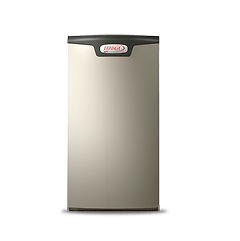
Your furnace fan (also called the blower fan) is responsible for pushing warm air through your ductwork and into your home. It operates in two basic modes:
- Auto – The fan runs only when the furnace is actively heating.
- On – The fan runs continuously, even when the furnace is not producing heat.
Neither setting is inherently right or wrong. Each comes with trade-offs that matter more in Ontario’s climate than many homeowners realize.
Benefits of Running the Furnace Fan All the Time
There are real advantages to keeping the fan running continuously, especially in certain homes.
More Even Temperatures
Ontario homes often have hot and cold spots, particularly in multi-level houses or older homes with uneven ductwork. A continuously running fan helps circulate air more evenly, reducing temperature differences between rooms and floors.
Improved Air Circulation and Filtration
When the fan runs constantly, air passes through your furnace filter more often. This can help reduce dust buildup and improve overall indoor air quality, especially if you use a high-quality filter.
This can be beneficial for:
- Homes with pets
- Allergy or asthma sufferers
- Homes that feel stale or stuffy
- Better Performance with Add-Ons
If your home uses:
- A heat pump alongside a furnace
- A humidifier
- An air purifier
A continuously running fan can help these systems work more effectively by keeping air moving throughout the house.
Downsides of Running the Fan Continuously
Despite the benefits, running your furnace fan all the time is not always ideal.
Higher Electricity Usage
Even though the furnace burner isn’t running, the fan motor still uses electricity. Over time, this can noticeably increase your hydro bill, especially during Ontario’s long heating season.
Older furnaces with standard blower motors tend to consume more power than newer high-efficiency systems with variable-speed motors.
Increased Wear on the Fan Motor
A fan that runs nonstop experiences more wear. While modern systems are designed for durability, continuous operation can still shorten the lifespan of certain components, particularly in older furnaces.
Cool Drafts in Winter
During cold Ontario winters, running the fan continuously can sometimes circulate cooler air when the furnace isn’t actively heating. This can make rooms feel drafty, even if the actual temperature hasn’t changed.
When Running the Fan All the Time Makes Sense
Leaving the fan on “On” can be a good choice when:
- Your home has noticeable hot and cold spots
- You have allergies and want better air filtration
- You use a variable-speed or ECM blower motor
- Your HVAC system includes a heat pump or air quality accessories
In these situations, the comfort and air quality benefits often outweigh the added electricity cost.
When “Auto” Is the Better Option
Setting the fan to “Auto” is usually the better choice when:
- Your furnace is older or less energy-efficient
- You want to minimize electricity usage
- You notice cool drafts when the fan runs without heat
- Your home already has fairly even temperatures
For many Ontario homeowners, especially in winter, “Auto” provides the best balance of comfort and efficiency.
What About Variable-Speed Furnaces?
If your home has a newer high-efficiency furnace with a variable-speed blower, running the fan continuously is often far less expensive than people expect. These motors are designed to run at lower speeds using less power, making continuous circulation more practical.
This is one of the reasons many modern HVAC systems are designed with extended fan operation in mind.
A Simple Rule of Thumb
Instead of asking whether the fan should always run, ask what problem you’re trying to solve.
If the goal is better air circulation or indoor air quality, running the fan more often can help. If the goal is lower energy costs and simple operation, “Auto” is usually the safer choice.
There’s no single setting that works for every Ontario home.
Get System-Specific Advice from Go Lime
Your furnace fan setting should match your home layout, furnace type, and comfort priorities. What works well in one Ontario home may not work at all in another.
At Go Lime, our licensed HVAC professionals look at the full picture—your furnace, ductwork, air quality needs, and energy usage—before making recommendations. Whether you’re trying to improve comfort, reduce bills, or get more out of a high-efficiency system, the right guidance makes all the difference.
If you’re unsure which fan setting is best for your home, or if your system feels inefficient or uncomfortable, a professional assessment can help you make a confident, informed choice before winter pushes your system to its limits.
Frequently Asked Questions
Q. Does running the furnace fan all the time damage the system?
A. Not usually, but it can increase wear on older blower motors. Newer variable-speed systems handle continuous operation much better.
Q. Will running the fan continuously lower my heating bill?
A. In most cases, no. It can improve comfort, but it usually increases electricity usage slightly.
Q. Is it better to run the fan all the time in winter or summer?
A. In summer, continuous fan use can help with cooling circulation. In winter, it depends on your furnace type and comfort preferences.
Q. Can a dirty filter cause problems if the fan runs constantly?
A. Yes. If the fan runs all the time, filters need to be checked and replaced more frequently to maintain airflow and efficiency.
Q. Should I change my fan setting seasonally?
A. Many homeowners do. “Auto” is common in winter, while “On” may be helpful during warmer months or allergy seasons.


