













Gas vs Electric Water Heater: Which Is Right for You?
 Liby Thomas
Published on: Jul 29, 2026
Liby Thomas
Published on: Jul 29, 2026

Hot water is one of those things you never think about until the shower runs cold on a January morning. When it's time to replace your water heater, one of the first decisions you'll face is whether to go with gas or electric. It's a bigger choice than it looks. The fuel you pick affects your upfront cost, your monthly bills, how quickly you get hot water back after a big shower rush, and even whether you'll have hot water during a power outage.
We'll walk through exactly how the two compare so you can choose with confidence. If you're still at the very start of the process, our water heater buying guide for Ontario homeowners is a great companion to this article.
The Short Answer
If your home already has a natural gas line and you use a lot of hot water, a gas water heater usually wins on operating cost and recovery speed. If you want a lower upfront price, a simpler installation, quieter operation, and no combustion in your home, an electric water heater is often the better fit especially the newer high-efficiency heat pump models.
But the right choice really depends on your home, your habits, and your utility rates. Let's dig in.
How Each Type Works
Gas water heaters
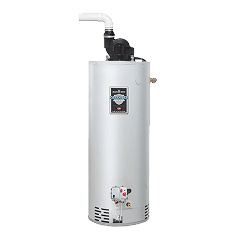
A gas water heater uses a burner at the bottom of the tank to heat the water directly. Because a flame can transfer a lot of heat quickly, gas units tend to recover hot water faster - handy for busy households where showers, laundry, and dishes overlap. Gas models require venting to safely remove combustion gases, which is an important part of the installation.
Electric water heaters
A standard electric water heater uses one or two heating elements submerged in the tank. There's no flame, no combustion, and no venting required. That makes the unit simpler and safer to install, though the elements generally heat water more slowly than a gas burner. A newer and far more efficient option is the heat pump (hybrid) water heater, which pulls heat from the surrounding air rather than generating it with resistance elements cutting energy use dramatically.
Comparison Between Gas Water Heater and Electric Water Heater
| Factor | Gas Water Heater | Electric Water Heater |
| Upfront unit cost | Higher | Lower |
| Installation | More (involved gas line + venting) | Simpler (no venting) |
| Operating cost | Usually lower where gas is cheap | Higher for resistance models, very low for heat pump models |
| Recovery speed | Faster | Slower (standard); moderate (heat pump) |
| Works in power outage | Often Yes | No |
| Combustion | Yes | None |
| Noise | Some burner noise | Very quiet |
| Best for | High hot-water demand | Lower demand, no gas line, efficiency focus |
*Many older gas heaters with a standing pilot will keep producing hot water during an outage, but modern power-vent and electronic-ignition models still need electricity to run.
Upfront and installation cost
Electric units usually cost less to buy, and because they don't need venting or a gas line, the installation is often simpler and cheaper. Gas units cost more upfront and require proper venting and gas connections done by a licensed technician. For a full breakdown of what to budget, see our guide on water heater replacement cost in Ontario.
Operating cost
This is where things get Ontario-specific. Natural gas is typically the cheaper fuel per unit of energy across most of the province, so a standard gas water heater often has lower monthly running costs than a standard electric one. However, electricity prices vary by time of day under time-of-use pricing, and a heat pump water heater can be two to three times more efficient than a standard electric tank—closing much of that gap and sometimes beating gas outright over the life of the unit.
Recovery and first-hour rating
"Recovery" is how quickly your heater reheats a tank after it's drained. Gas generally recovers faster, which matters for large families or homes with back-to-back showers. If you're constantly running out of hot water, the issue may be sizing rather than fuel type something we cover in our tankless water heater sizing guide.
Lifespan and maintenance
Both gas and electric tanks typically last around 8 to 12 years, and the single biggest factor in getting to the high end of that range is caring for the anode rod. This inexpensive part quietly protects your tank from rust. If your unit starts rumbling or popping, that's usually sediment—see is your water heater making noise? here's what it means.
Safety
Because electric units have no combustion, they carry no risk of carbon monoxide and need no venting. Gas units are perfectly safe when installed and vented correctly by a professional, but they do involve combustion, which is why professional installation matters. Regardless of fuel type, every tank needs a working pressure relief valve—it's a small part that prevents a dangerous pressure buildup.
Which One Should You Choose?
Choose a gas water heater if:
- You already have a natural gas line
- Your household uses a lot of hot water
- You want the fastest recovery times
- You'd like hot water even during many power outages
Choose an electric water heater if:
- You don't have (or don't want) a gas line
- You want a lower upfront cost and simpler install
- You value quiet, combustion-free operation
- You're focused on long-term efficiency especially with a heat pump model
The Bottom Line
There's no single "best" fuel only the best fit for your home. Gas rewards high hot-water demand with lower running costs and fast recovery, while electric wins on simplicity, safety, and (with a heat pump model) impressive efficiency. Weigh your gas access, your household size, and how long you plan to stay in your home, and the right answer usually becomes clear.
Not Sure Which Water Heater Is Right for Your Home? Talk to Go Lime.
At Go Lime, we help Ontario homeowners choose, size, and install the perfect water heater - gas, electric, tank, tankless, or high-efficiency heat pump without the pushy sales pitch. Our licensed technicians will assess your home, your hot-water habits, and your budget, then give you honest, upfront pricing on the option that actually makes sense for you.


