











How Much Can You Really Save with a Tankless Water Heater?
 Liby Thomas
Published on: Feb 22, 2026
Liby Thomas
Published on: Feb 22, 2026

Tankless water heaters are often marketed as the ultimate money-saving upgrade. Endless hot water. Higher efficiency. Longer lifespan. Lower bills.
But how much can you actually save in Ontario? And when does math truly make sense?
Let’s break this down properly with numbers, not marketing.
First: How Tankless Water Heaters Save Energy
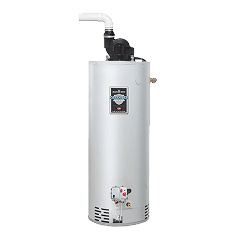
A traditional tank water heater stores 40–60 gallons of hot water and reheats it throughout the day. Even when you’re not using hot water, the tank cycles on and off to maintain temperature. This is called standby heat loss.
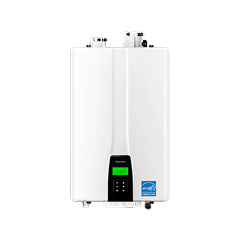
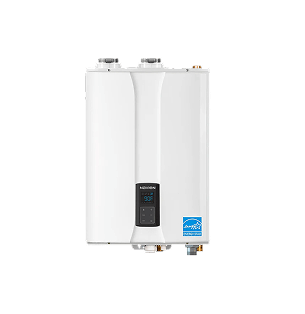
A tankless water heater works differently. It only heats water when you turn on a tap. No storage. No constant reheating.
That difference is where the potential savings begin.
If you’re new to how these systems work, you may want to review Tank vs. Tankless Water Heaters: Which One Saves You More Money? for a side-by-side comparison.
What the Efficiency Numbers Actually Mean?
Tankless units are typically 24–34% more energy efficient for homes that use under 41 gallons of hot water per day. In larger households using more than 86 gallons daily, efficiency gains may drop closer to 8–14%.
In practical terms, that translates to modest but steady savings.
In Ontario, the average household spends roughly $400–$700 per year on water heating, depending on fuel type and usage.
If tankless improves efficiency by 15–25%, you might save:
• $60 to $175 per year
• Possibly more in larger homes with optimized usage
Gas vs Electric: Savings Depend on Fuel
Most Ontario tankless systems are natural gas.
Gas tankless systems generally produce the strongest long-term savings because natural gas costs less per unit of energy compared to electricity.
Electric tankless units exist, but in Ontario’s electricity pricing environment, they may not deliver the same financial advantage.
Fuel source matters more than marketing claims.
The Big Variable: Installation Costs
This is where many homeowners miscalculate.
A traditional tank water heater may cost $1,700–$3,000 installed. A tankless system often ranges between $3,000–$5,500 installed due to venting upgrades, gas line adjustments, and electrical modifications.
For a detailed breakdown of Ontario pricing, see Water Heater Replacement Cost in Ontario (2026 Guide).
If you save $150 per year but pay $2,000 more upfront, your payback period could be 10–15 years.
Which leads us to the next important factor.
Lifespan Changes the Math
Tank water heaters typically last 8–12 years.
Tankless systems often last 15–20 years when maintained properly.
That extended lifespan shifts the financial equation. You may replace one tank system twice in the time a single tankless unit operates.
Longer lifespan plus moderate energy savings equals stronger long-term value — especially if you plan to stay in your home for many years.
Water Usage Habits Matter More Than You Think
Savings are tied to how you use hot water.
If your household staggers showers, avoids simultaneous laundry and dishwasher cycles, and uses moderate daily volumes, tankless performs very efficiently.
If peak demand is extreme, the system works harder and savings may narrow.
To properly size and evaluate your household usage, read Explore Tankless Water Heater Sizing Guide for Ontario Homeowners.
Undersized tankless systems don’t save money. They cause frustration.
The Hidden Savings People Forget
Energy bills are only part of the equation.
Tankless systems also offer:
- Lower risk of catastrophic tank failure and basement flooding
- Wall-mounted space savings
- More stable hot water delivery
- Reduced standby gas consumption
There’s also the convenience factor. Endless hot water reduces the need to “schedule” showers or wait between uses.
If you’ve ever run out mid-shower, you already understand the value.
For more on performance limitations, see Can a Tankless Water Heater Run Out of Hot Water?
Hard Water Can Affect Savings
Ontario water hardness plays a role.
Hard water causes mineral buildup inside heat exchangers. Without regular descaling, efficiency drops and maintenance costs rise.
What About Renting Instead of Buying?
If upfront cost is a concern, renting shifts the financial structure entirely.
Instead of paying thousands upfront, you pay a monthly fee that includes maintenance and service.
For a full comparison, read Should You Rent or Buy Your Water Heater in Ontario?
If you’re considering flexible payment options, Can I Rent My Water Heater? Why Go Flex Is the Smarter Way for Ontario Homeowners explores modern alternatives.
So, How Much Can You Really Save?
Let’s summarize realistically.
A tankless water heater in Ontario may save you:
• $60–$175 per year in energy
• Additional long-term value through longer lifespan
• Reduced risk of tank failure damage
• Potential resale appeal
The total lifetime savings could reach several thousand dollars over 15–20 years, especially if gas prices remain stable and maintenance is consistent.
But the key word is long-term.
Tankless systems rarely deliver dramatic short-term payback. They reward homeowners who think in decades, not months.
Who Should Choose Tankless?
Tankless makes the most financial sense if:
- You plan to stay in your home long-term
- You use moderate to high volumes of hot water
- You want energy efficiency improvements
- You value space savings and endless hot water
If you’re replacing a failing system and plan to move soon, a high-efficiency tank may be more practical.
The Bottom Line
Tankless water heaters do save money — just not always in the way advertisements suggest.
The real savings come from steady efficiency improvements, longer lifespan, and smarter long-term ownership planning. If you match the system properly to your household’s needs and maintain it correctly, the numbers work.
If you expect instant dramatic bill reductions, you may be disappointed.
The smartest approach is to calculate your usage, compare installation costs, and consider how long you plan to stay in your home. When those variables align, tankless can be a strong financial and comfort upgrade for Ontario households.


