




















How to Maintain Your Heat Pump — A Seasonal Checklist for Ontario Homeowners
 Liby Thomas
Published on: Apr 17, 2026
Liby Thomas
Published on: Apr 17, 2026

A heat pump is one of the hardest-working systems in your home. In Ontario, it handles both heating in winter and cooling in summer — sometimes working in extreme temperatures at both ends of the spectrum. Keeping it well-maintained isn't just about efficiency; it's about preventing costly breakdowns and extending the life of a significant investment.
Here's a complete seasonal checklist for Ontario homeowners.
Why Heat Pump Maintenance Matters?
Heat pumps are generally reliable, but they're also complex. They involve refrigerant circuits, electrical components, an outdoor compressor unit, and an indoor air handler — all of which can degrade without regular attention. Neglected heat pumps are more likely to:
- Lose efficiency and drive up energy bills
- Struggle in extreme cold if the defrost cycle isn't functioning correctly
- Fail mid-season when demand for repairs is highest and wait times are longest
- Have shortened lifespans — well-maintained heat pumps last 15–20 years; neglected ones often fail in 10–12
The good news: most heat pump maintenance is simple and can be done by homeowners. Annual professional servicing covers the rest.
Spring Checklist (April–May)
Spring is when your heat pump transitions from heating to cooling mode. It's the ideal time to inspect the system after a full Ontario winter.
- Clean or replace the air filter: The indoor air handler filter should be inspected monthly and replaced every 1–3 months depending on usage and household dust levels. A clogged filter forces the system to work harder and reduces air quality.
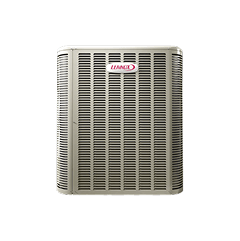
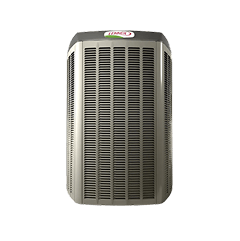
- Inspect the outdoor unit: After winter, check the outdoor compressor unit for any debris — leaves, twigs, ice damage, or objects that may have lodged inside the cabinet during winter storms.
- Clear a 2-foot clearance around the outdoor unit: Vegetation, fencing, or stored items near the unit restrict airflow and reduce efficiency. Trim any shrubs or grass that have grown up around it.
- Check the condensate drain line: The indoor unit produces condensation in cooling mode. Make sure the drain line is clear and draining properly to prevent water damage or mold.
- Test cooling mode: Run the system in cooling mode for 10–15 minutes to confirm it's producing cold air before hot weather arrives.
- Schedule a professional tune-up: Spring is the ideal time to book an annual HVAC service before the busy summer season. A technician will check refrigerant levels, electrical connections, coil cleanliness, and overall system performance.
Summer Checklist (June–August)
In summer, your heat pump is functioning as a central air conditioner. Maintenance focus shifts to keeping cooling performance strong.
- Check and replace the air filter monthly: During peak cooling season, filters get dirty faster — especially in homes with pets or high traffic.
- Keep the outdoor unit clean: Grass clippings from mowing and cottonwood fluff (common in Ontario in June) can clog the outdoor coil. Gently rinse the coil fins with a garden hose from the inside out if buildup is visible. Do not use a pressure washer.
- Monitor airflow throughout the home: If some rooms feel warmer than others, check that supply vents are open and not blocked by furniture. Uneven cooling can indicate airflow issues or a refrigerant problem.
- Watch for ice on the indoor unit: Ice forming on the indoor coil in cooling mode is a sign of low refrigerant or a blocked filter — call a technician if you notice this.
- Listen for unusual sounds. Clicking, rattling, grinding, or hissing sounds are early warning signs. Catching a problem in summer is easier than dealing with it in the middle of a January cold snap.
Fall Checklist (September–October)
Fall is when your heat pump switches back to heating mode. This is arguably the most important maintenance window for Ontario homeowners.
- Replace the air filter before heating season begins.
- Inspect the outdoor unit: Clear away any leaves or debris accumulating around or in the unit. Fallen leaves are a particular issue in Ontario — they can block airflow through the coil and trigger pressure issues.
- Check the defrost board and settings: Ontario winters regularly push into temperatures where the defrost cycle is critical. Ask your HVAC technician to verify the defrost cycle is functioning correctly during your fall service visit.
- Test heating mode: Run the system in heating mode on one of the first cool fall days to confirm it's producing warm air before you actually need it.
- Inspect refrigerant lines: The insulated refrigerant lines running between your indoor and outdoor units should be intact with no cracks in the insulation. Damaged insulation reduces efficiency.
Book a professional fall service if you didn't do one in spring. At minimum, heat pumps should be professionally serviced once per year. Fall is the ideal timing in Ontario given the demands of winter heating.
Winter Checklist (November–March)
In winter, your primary job is monitoring the system and ensuring the outdoor unit can operate properly.
- Keep the outdoor unit clear of snow and ice: After heavy snowfalls, gently clear snow accumulates from the top and sides of the outdoor unit. Do not use a shovel — use a brush or your hands to avoid damaging the fins.
- Ensure the unit has clearance from the ground: Proper installation should have the unit elevated on a pad or wall bracket. If snow drifts are reaching or covering the unit, clear them away — restricted airflow prevents the heat pump from extracting heat from the outdoor air.
- Do NOT cover the outdoor unit: A common misconception is that the outdoor unit should be wrapped or covered in winter. It shouldn't be — it needs to run during winter heat. Only the top of the unit may have a cover designed for it (to prevent ice damage from roof runoff).
- Allow the defrost cycle to run: In cold temperatures, you'll periodically see steam rising from the outdoor unit and the system running in defrost mode. This is completely normal and should not be interrupted.
- Monitor for unusual ice buildup: Some frost on the outdoor coil is normal in winter. A heavy coat of ice that doesn't clear after the defrost cycle is a sign of a problem — call a technician.
- Check your backup heat source: If your heat pump is paired with a gas furnace (dual fuel system) or electric resistance backup, test it periodically to confirm it engages when temperatures drop below your heat pump's operating threshold.
Professional Service: What a Technician Checks
Annual professional maintenance by a licensed HVAC technician covers items you can't check yourself, including:
- Refrigerant pressure and charge levels
- Electrical connections, capacitors, and contactors
- Coil cleaning (indoor and outdoor)
- Blower motor and fan blade inspection
- Thermostat calibration and staging communication
- Defrost board and controls testing
At Go Lime, we offer heat pump maintenance services across Ontario. Whether you purchased your heat pump from us or another provider, our licensed technicians can inspect, tune up, and certify your system ahead of any season.


