












Anode Rod Replacement: The $30 Fix That Can Double Your Water Heater's Life
 Liby Thomas
Published on: Apr 29, 2026
Liby Thomas
Published on: Apr 29, 2026

Most homeowners never think about their water heater until it stops working. And by then, it's too late — you're looking at a $1,000+ replacement bill, a flooded utility room, or both. But here's the thing: the number one reason water heaters die prematurely has nothing to do with bad luck or poor manufacturing. It comes down to a single neglected component, the size of a broomstick that costs about $30 and getting it replaced on schedule by a professional is one of the smartest and most affordable maintenance decisions a homeowner can make.
That component is called the anode rod and it might just be the most important part of your water heater that you've never heard of.
What Is an Anode Rod?
An anode rod is a long metal rod usually made of magnesium, aluminum, or zinc that is threaded into the top of your water heater tank. It's typically 3 to 5 feet long, about ¾ of an inch in diameter, and wound around a steel core wire.
It doesn't heat water. It doesn't measure temperature. It doesn't have any moving parts. What it does is far more important: it sacrifices itself so your tank doesn't have to. This is why it goes by another name: the sacrificial anode rod.
What is the Science Behind the Sacrifice?
Inside your water heater is a steel tank lined with a thin layer of glass. Sounds protective, right? And it is, but it's not perfect. Over time, the glass lining develops tiny cracks and chips from the constant expansion and contraction caused by heating cycles. Once exposed, bare steel meets hot water, and corrosion begins almost immediately.
This is where electrochemistry saves the day.
When dissimilar metals are submerged in water, an electrical current flows between them. The less "noble" metal corrodes first — it gives up its electrons, rusting away while the more noble metal stays protected. This natural process is called galvanic corrosion, and your anode rod is specifically engineered to be the loser in that battle.
Magnesium and aluminum are both electrochemically "less noble" than steel. So when an anode rod made of either material sits in your hot water tank, it steadily corrodes in place of your tank walls. The rod deteriorates. The tank stays intact. And you get years of extra service life that you would have otherwise lost.
The moment that rod is fully corroded, however, the process flips and your tank becomes the sacrificial metal instead.
Why Most Water Heaters Die Early?
The average water heater is rated to last 8 to 12 years. Many fail at the 7- or 8-year mark. A well-maintained one can easily reach 15 to 20 years. The difference almost always traces back to the anode rod.
Here's what typically happens:
- A new water heater is installed with a factory-fresh anode rod.
- The rod slowly does its job, corroding year after year.
- After 4 to 6 years, the rod is spent reduced to a thin calcium-coated wire.
- Nobody replaces it because nobody knows it exists.
- The tank begins to corrode from the inside.
- Rust builds up, sediment accumulates, and the tank weakens.
- A small leak appears. Then a bigger one.
- The homeowner calls a plumber and replaces the entire unit.
All of that — for the lack of a $30 part.
How Long Does an Anode Rod Last?
Under normal conditions, an anode rod lasts approximately 3 to 5 years. But several factors can significantly shorten its lifespan:
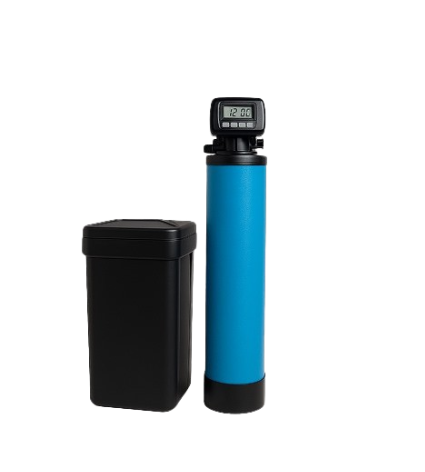
- Water softeners are one of the biggest culprits. Softened water is more aggressive toward metals because the ion exchange process that removes hardness minerals also makes the water more corrosive. If you have a water softener, your anode rod may deplete in as little as 1 to 2 years. Some manufacturers actually void warranties on water heaters connected to softeners unless the anode is inspected annually.
- High water temperature accelerates the chemical reaction, burning through the anode faster. If your water heater is set above 120°F (49°C), expect shorter rod life.
- Water quality and chemistry also matter. Well water, high-mineral water, or water with high chlorine content can all affect how quickly the rod degrades.
- Usage volume plays a role too. A large family drawing on the water heater constantly will cycle through heat and cold more often, stressing the rod more than a single-person household would.
Signs Your Anode Rod Needs Replacing
Because the rod sits inside a closed tank, you can't see it without removing it. But your water heater will often give you clues that something is wrong:
- Rotten egg smell: This is the most telltale sign. When a magnesium anode rod reacts with sulfur bacteria in the water supply, it produces hydrogen sulfide gas — which smells exactly like rotten eggs. If your hot water stinks and your cold water doesn't, a degraded or wrong-type anode rod is almost certainly the cause. Switching to an aluminum or zinc/aluminum anode rod typically resolves the problem.
- Rusty or discolored hot water: Orange or brown hot water suggests the inside of your tank is already corroding. This means the anode rod has likely been depleted for some time. Act immediately.
- Popping or rumbling sounds: As sediment builds up on the tank floor — a process that accelerates once the anode is gone — it gets trapped under the heating element and causes these sounds when water boils beneath it.
- Water heater age: If your unit is over 4 years old and you've never replaced the anode rod, it's almost certainly due for inspection, regardless of other symptoms.
What Type of Anode Rod Do You Need?
Choosing the right material matters. Here's a quick breakdown:
- Magnesium anode rods are the most effective at protecting the tank under normal water conditions. They corrode faster (which means stronger protection), making them ideal for areas with hard water. However, they can produce the rotten egg smell in certain water chemistries.
- Aluminum anode rods corrode more slowly than magnesium, making them a better fit for homes with water softeners or high-pH water. They're also less prone to causing odor issues, though some studies suggest aluminum byproducts in drinking water are worth considering.
- Zinc/aluminum anode rods (typically 10% zinc, 90% aluminum) are the go-to solution for the rotten egg smell problem. Zinc suppresses the sulfur-reducing bacteria responsible for the odor. If you've been dealing with smelly hot water, this is usually the first thing to try.
- Powered anode rods (impressed current anodes) take a completely different approach: rather than sacrificing themselves, they use a small electrical current to repel corrosion. They never deplete, they eliminate the rotten egg odor, and they're particularly popular for homes with water softeners. The downside is a higher upfront cost ($50–$150) and the need for an electrical connection near the tank.
Always check your water heater's manual or manufacturer website for the recommended rod size and thread type before purchasing.
Why Anode Rod Replacement Should Be Left to a Professional
Anode rod replacement might sound straightforward, but it comes with a number of practical and safety considerations that make professional service the smarter choice for most homeowners.
The rod can be extremely difficult to remove. After years of mineral buildup and heat cycling, the rod often seizes into the tank fitting with significant force. Forcing it without the right technique or tools can strip the threads, crack the fitting, or in the worst case — damage the tank itself. A licensed technician has the proper equipment and experience to handle this safely every time.
Selecting the wrong rod type can cause new problems. As covered above, the wrong anode material for your water chemistry can cause odor issues, accelerated corrosion, or even warranty voidance. A professional will assess your water type, tank model, and existing setup before selecting the appropriate replacement rod — not just grab the first one off a shelf.
Working around water heaters involves real risks. Draining, depressurizing, shutting off gas or electricity, and working near a large pressurized tank are tasks that require proper knowledge. A small misstep like restoring power before the tank is fully refilled can permanently damage the heating element. Professionals handle these risks as a matter of routine.
A professional inspection catches more than just the rod. When a technician services your anode rod, they don't stop there. They'll also check the pressure relief valve, inspect for early-stage corrosion, flush sediment from the tank floor, verify temperature settings, and assess overall unit health. It's a full maintenance visit — not just a single-part swap. That comprehensive eye can catch a small issue before it becomes a $1,500 emergency.
What Happens During a Professional Anode Rod Service
When you book a water heater maintenance appointment, here's what a licensed technician typically does:
- Shuts off power or gas and isolates the cold water supply safely.
- Drains a portion of the tank to reduce pressure before opening the anode port.
- Removes the old anode rod using professional-grade tools designed to handle seized fittings without damaging the tank.
- Inspects the rod and tank interior to assess corrosion levels, sediment buildup, and overall tank condition.
- Selects and installs the correct replacement rod based on your water chemistry, tank model, and manufacturer specs — sealed properly to prevent leaks.
- Flushes sediment from the tank bottom while the system is partially drained.
- Restores the system safely, checks for leaks, verifies temperature and pressure settings, and confirms everything is operating correctly.
- Documents the service and advises you on the next recommended inspection interval based on your specific water conditions.
Recommended Professional Maintenance Schedule
Here's how often you should have a licensed technician inspect and replace your anode rod based on your situation:
| Situation | Recommended Service Interval |
| Standard water, no softener | Every 4-5 years |
| Water softener installed | Every 1-2 years |
| High water temperature (>120 degree F) | Every 2-3 years |
| Well water or aggressive chemistry | Every 1-2 years |
| Powered anode rode | No replacement needed; professional inspection annually |
A good technician will note your water conditions during the visit and advise you on the right interval for your specific home — so you're never guessing.
The Real Cost of Neglect
Let's put the numbers in perspective.
A professional anode rod replacement including the part, labour, and a full inspection of your water heater typically runs $75–$200 depending on your location and the service provider. Done every 4–5 years, that's a maintenance cost of roughly $15–$40 per year.
A new water heater — just the unit runs $600 to $2,000 depending on type and size. Add installation labour, disposal fees, and the inevitable emergency call rate if yours fails on a Sunday night, and you're easily at $1,500 to $3,000.
Extend your water heater's life from 10 years to 18 years with two professional maintenance visits, and you've effectively saved yourself the cost of an entire new unit. That's not frugality that's just smart homeownership.
Is Your Water Heater Overdue for a Checkup?
Most Ontario homeowners haven't thought about their anode rod since the day their water heater was installed. If your unit is more than 4 years old and hasn't had a professional inspection, there's a good chance the rod is spent and your tank is already paying the price.
Go Lime's licensed technicians serve homeowners across Toronto, Mississauga, Brampton, Hamilton, Kitchener-Waterloo, and the surrounding Ontario area — 7 days a week, including same-day availability.
Don't wait for rusty water or a flooded utility room to take action. Contact Go Lime to find out what's right for your water heater — our licensed technicians will assess your setup and walk you through exactly what's needed.
👉 Get in Touch → · 1-877-747-8292


